Forklifts do work that does not require lift.
Short A-to-B trips, WIP moves, empty returns, and line replenishment may be better handled as autonomous flow.
Use forklifts where lift is required. Use AMRs where flow is repeated.
DropletAI maps carts, pallets, cages, WIP, line-side delivery, roll handling, and forklift trips, then converts the right movements into safe, trackable AMR workflows.
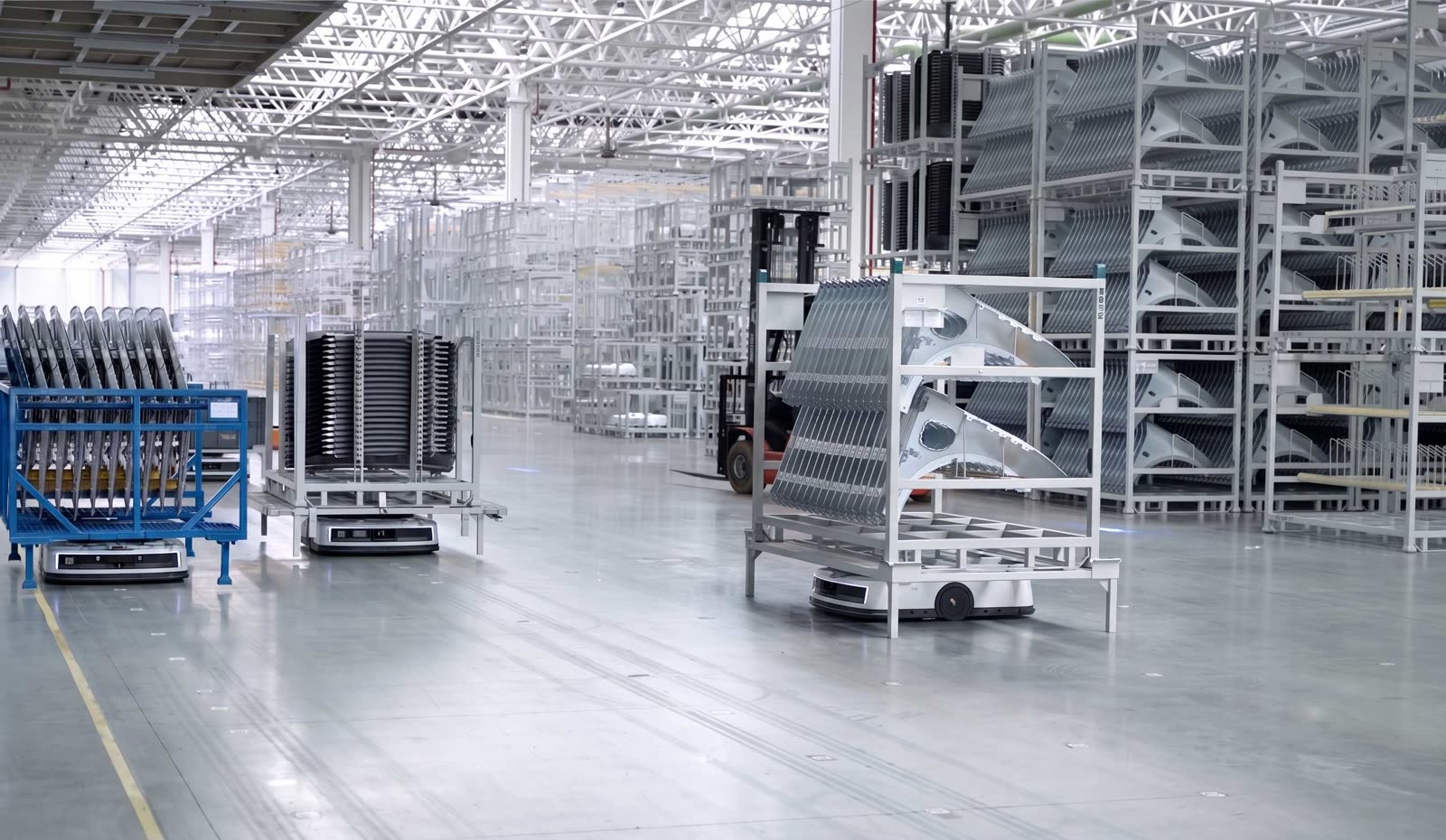
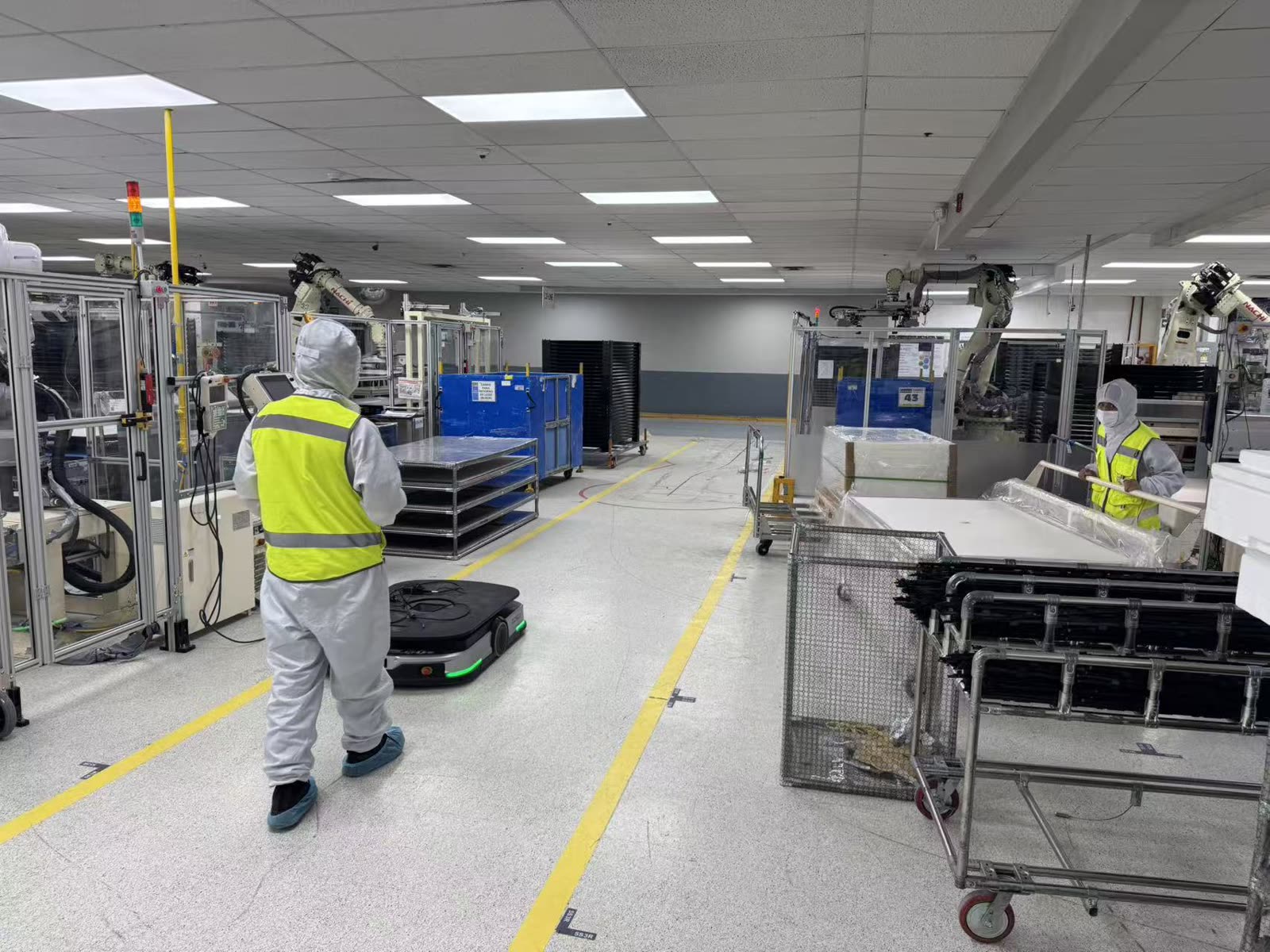
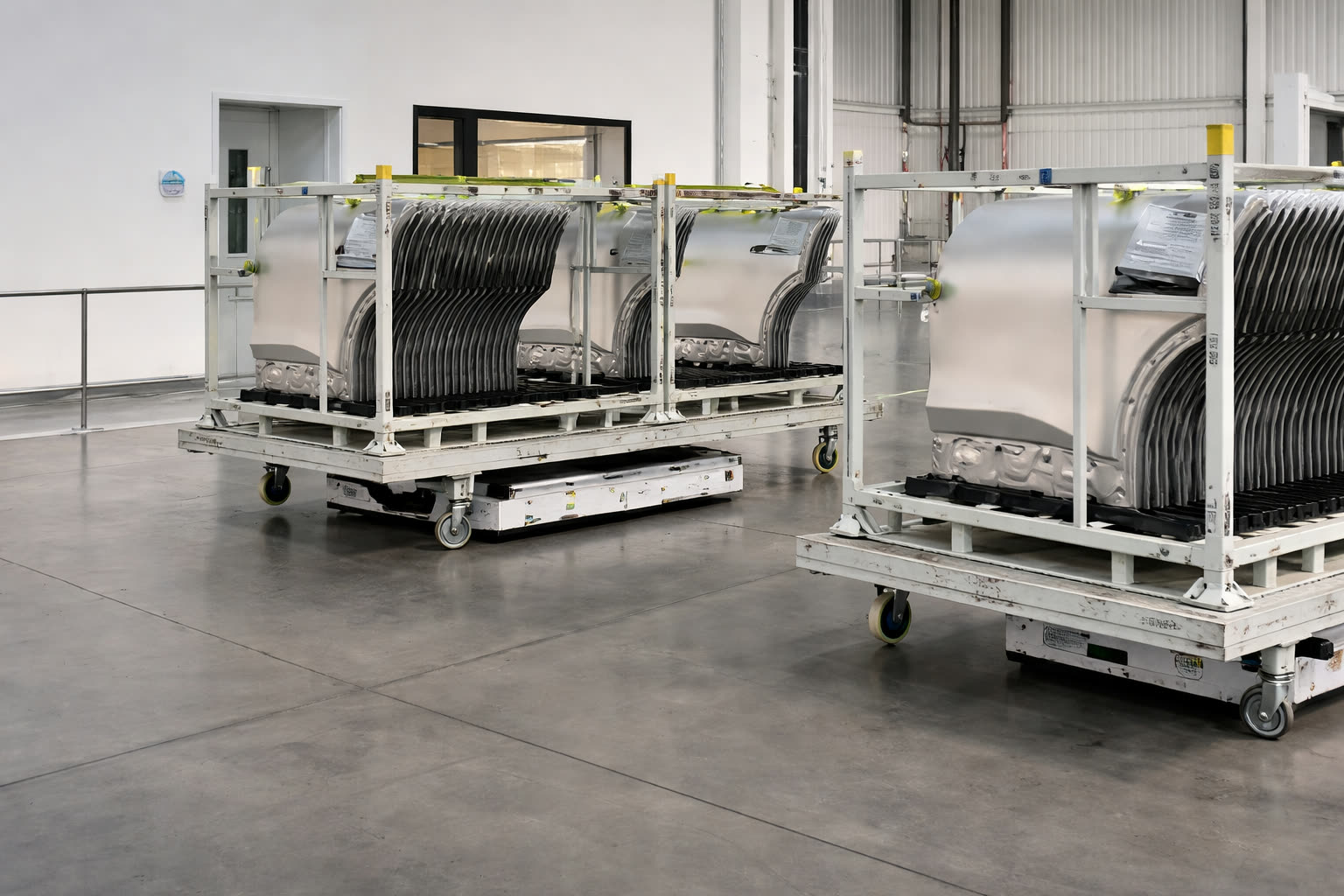
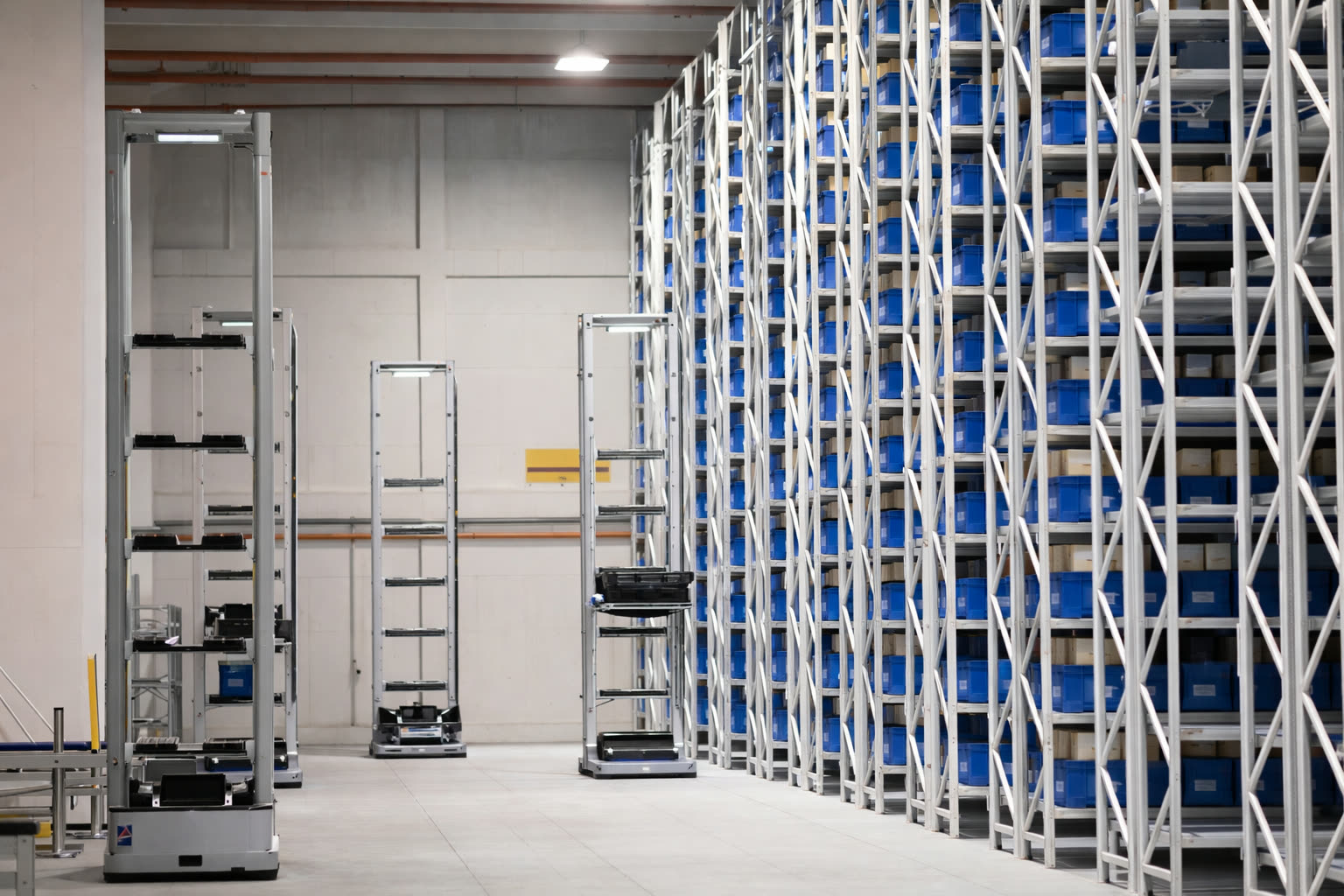
Before buying equipment, identify which moves are repetitive, measurable, and ready to convert.
Short A-to-B trips, WIP moves, empty returns, and line replenishment may be better handled as autonomous flow.
Operators and supervisors lose time to pushing carts, searching, waiting, staging, and handoffs.
Start with one route, one movement loop, and measurable trips per day before expanding the fleet.
Teams need mission status, utilization, downtime, battery health, and exception reporting.
If the flow changes often, mobile automation can adapt before the site locks movement into steel.
MES, ERP, WMS, PLC, scanner, and station events must trigger reliable dispatch and handoff logic.
Start where movement repeats: carts, cages, WIP, line-side delivery, pallet transfer, and no-WMS first loops.
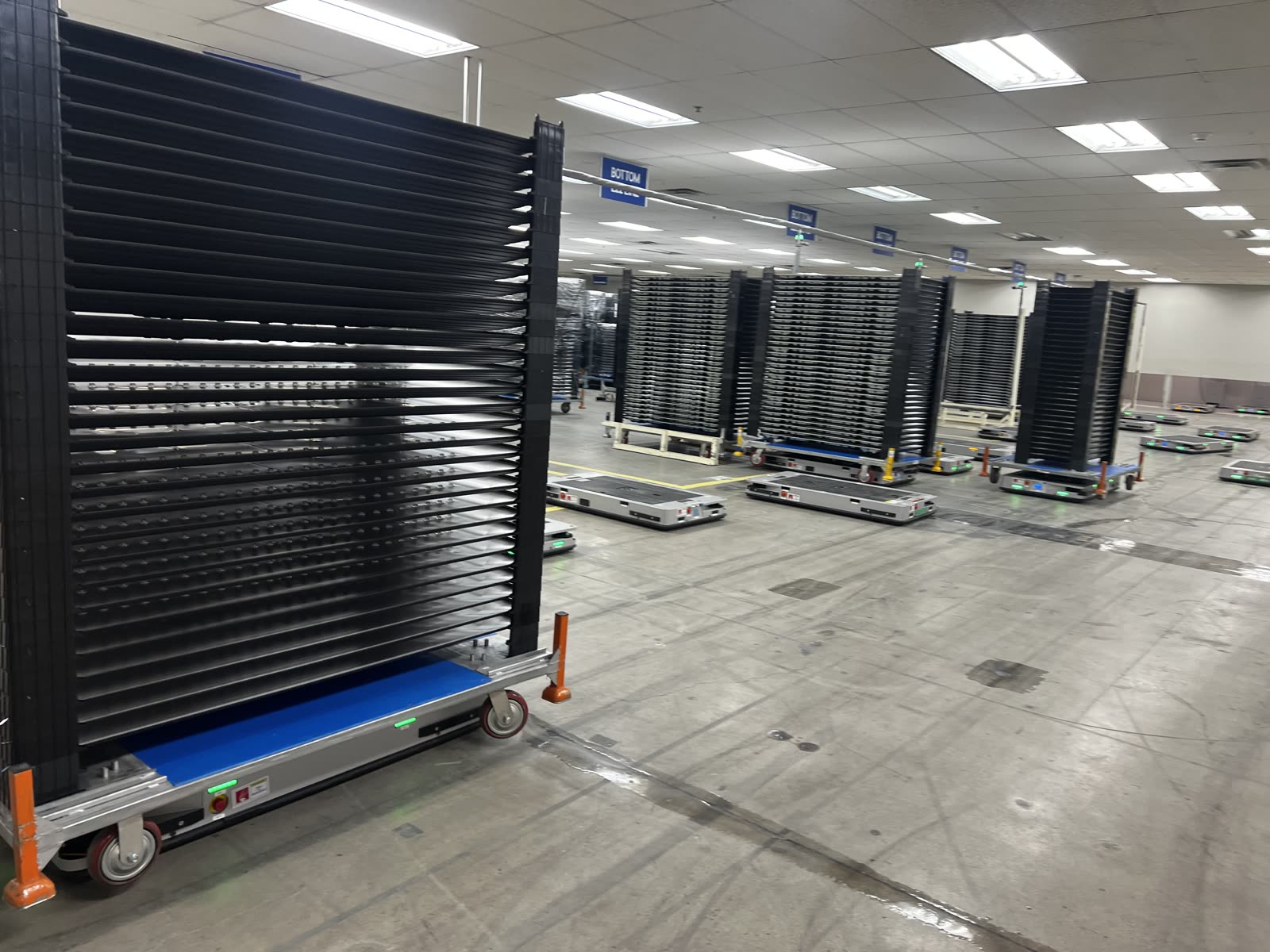
Convert repeated push-cart work into AMR missions with route, station, and handoff logic.
Transfer semi-finished goods between processes while keeping status, priority, and exception visibility.
Move the right material to the right station at the right time with demand-driven priority.
Turn existing carriers into autonomous assets using the right low-clearance or tugger form factor.
Return carts, totes, racks, and cages so replenishment cycles stay balanced.
Use pallet AMR, FMR, or hybrid execution where payload, docking, and lift requirements justify it.
Run one route with simple dispatch and operator workflow before core-system integration.
Identify forklift trips that are really repeatable movement work and convert only the right ones.
DropletAI leads with its own robotics and software, then integrates selected systems where the site requires it.
Carts, pallets, line-side work, WIP, heavy loads, and special carriers.
Dispatch, traffic control, monitoring, utilization, exceptions, and dashboards.
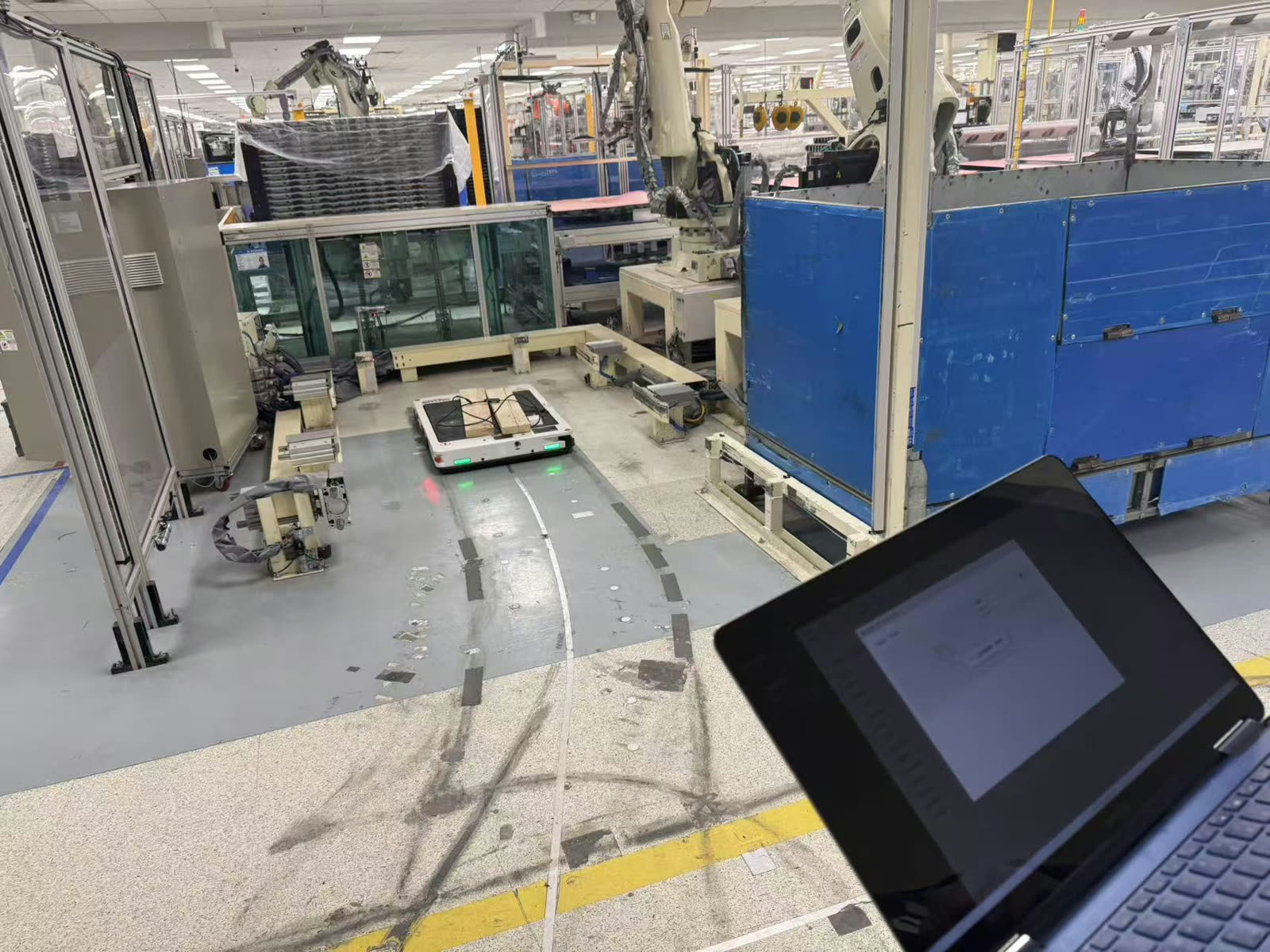
Interfaces for MES, ERP, WMS, PLC, buttons, photoeyes, scanners, conveyors, elevators, and doors.
Fleet sizing, route validation, bottleneck analysis, station timing, and go-live risk reduction.
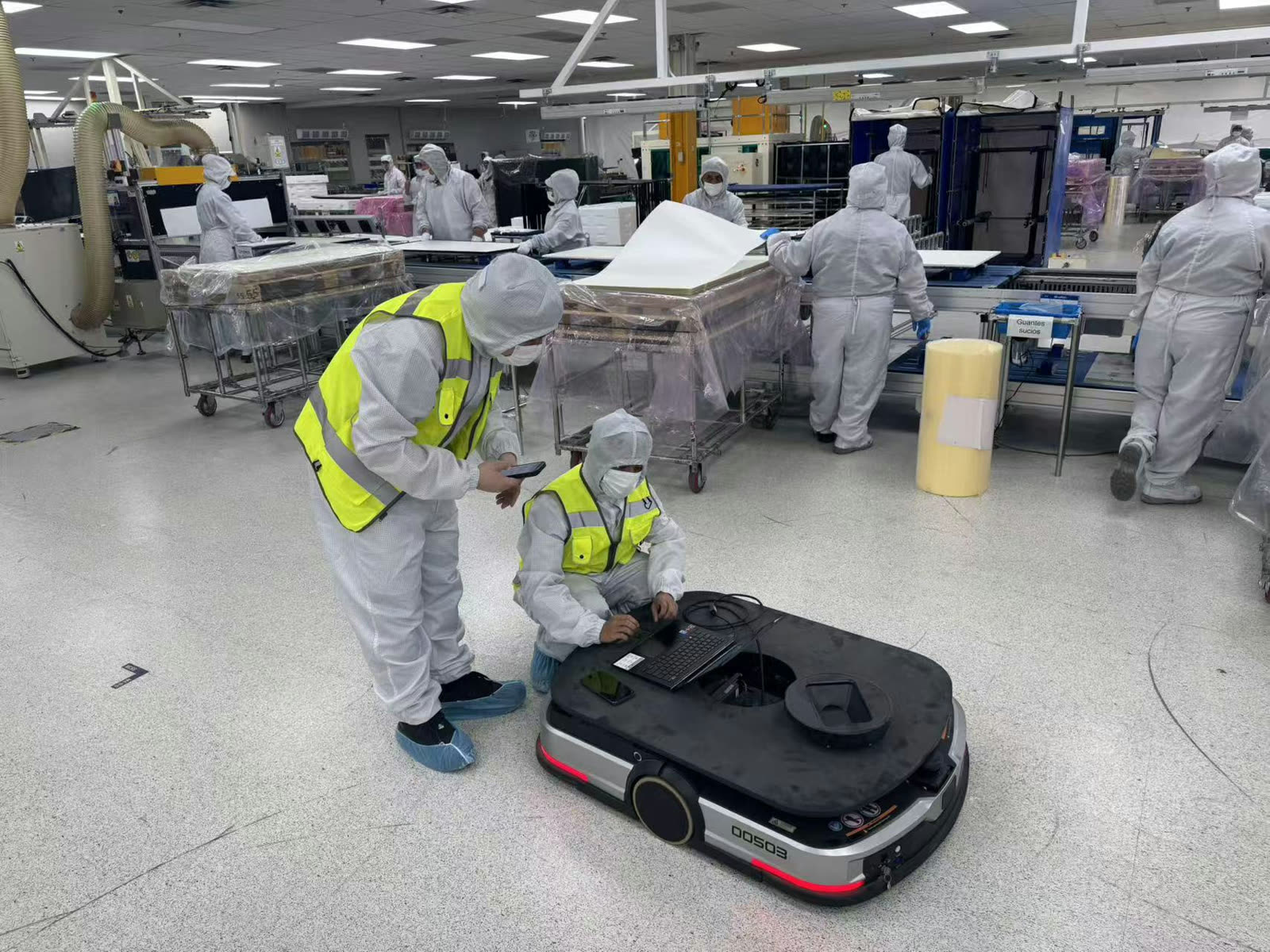
Installation, commissioning, training, maintenance, spare parts, SLA support, and service coverage.
The best starting point is usually a repeatable movement loop, not a full factory rebuild.
Line-to-line movement, WIP transfer, and station handoffs without fixed conveyor lock-in.
Routes, zones, and commissioning practices designed around operators and live production constraints.
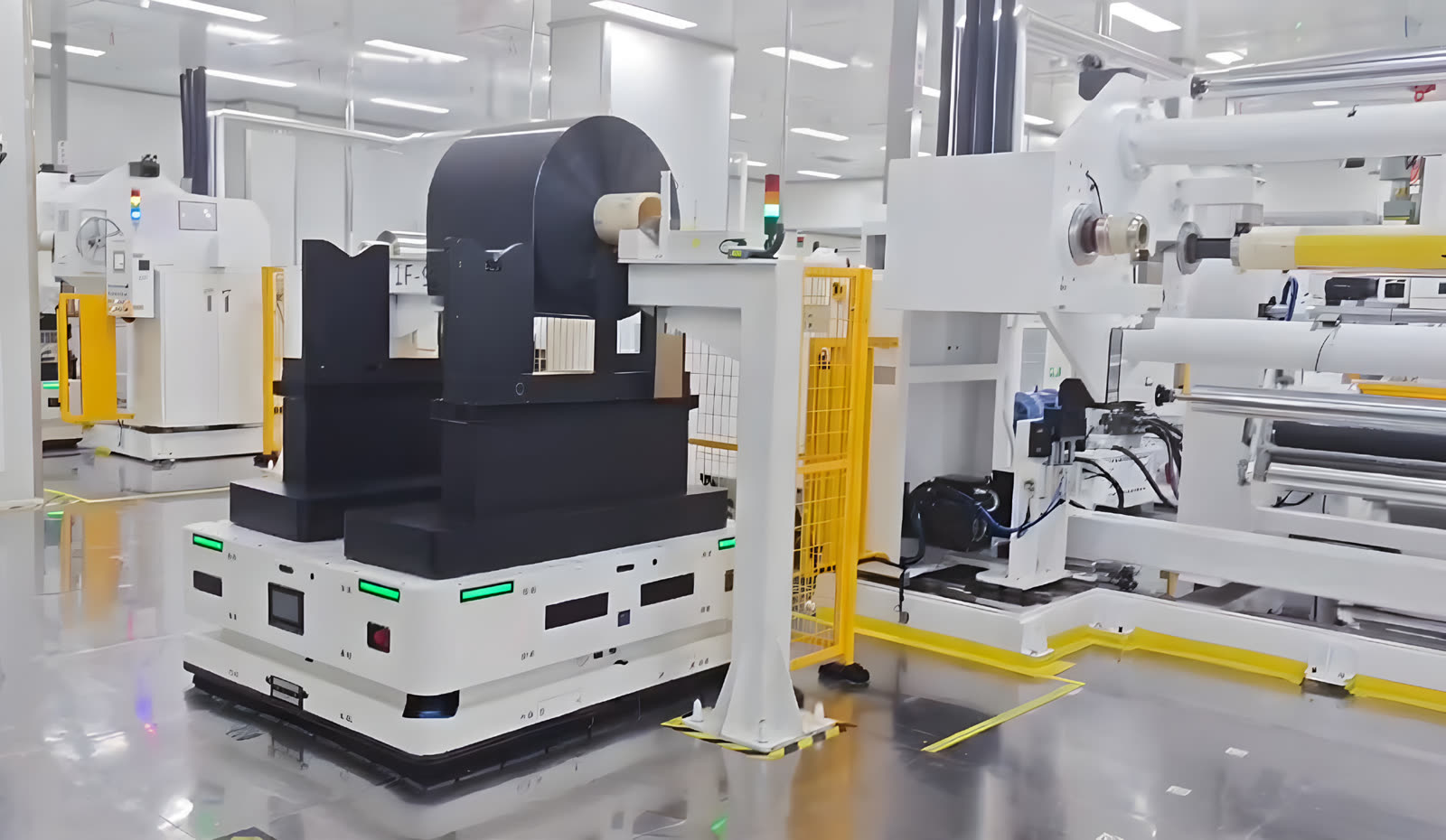
Precision movement for battery roll workflows, coating interfaces, and repeatable equipment approach.
Finished goods storage and retrieval that links production output with inventory operations.
High-fit starting points for teams evaluating robotics and AI-enabled software.
Final assembly, SPS delivery, battery modules, racks, carts, and process-side loops.
Roll handling, coating, calendering, slitting, buffers, and clean transfer.
Kitting, WIP, multi-box materials, line replenishment, and high-mix cells.
Traceable movement, controlled handoffs, QC, hold, audit, and rework.
Cart, tote, rack, and workcell replenishment across flexible production and fulfillment.
Pallet movement, packaging flow, temperature-aware transfer, and storage handoffs.
Sites where factory support, storage, value-added services, and distribution run together.
DropletAI combines flow audit, robot form-factor selection, fleet software, onsite commissioning, route validation, and lifecycle support so teams can move from one POC to adjacent loops.
Share one cart loop, WIP handoff, pallet transfer, line-side route, or forklift trip. We will map product fit, no-WMS POC options, interfaces, and deployment path.
Or email us at hello@dropletai.services